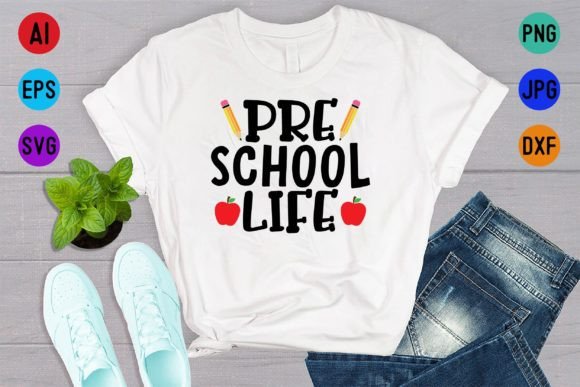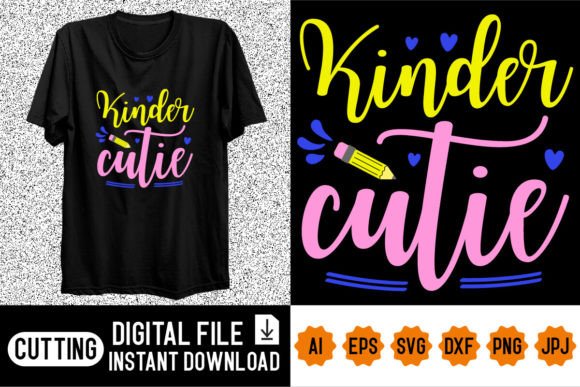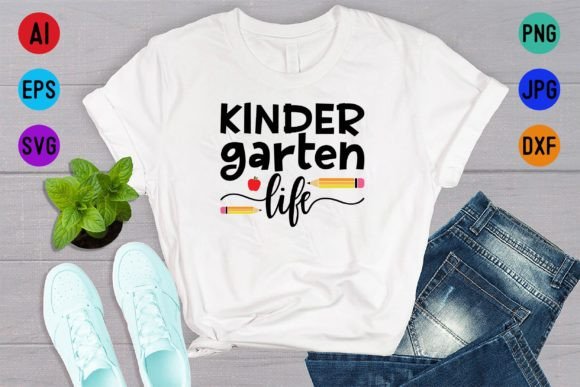
Kinder Garten Life, Back to School Shirt
As someone who’s stitched hundreds of designs onto everything from newborn onesies to boutique aprons, I opened Kinder Garten Life, Back to School Shirt expecting cheerful simplicity—and got exactly that. But “simple” isn’t the same as “easy to embroider.” So before I pressed “stitch” on my latest custom order—a set of embroidered cotton tote bags for a local preschool’s welcome week—I paused to really look at this design. Not just as a graphic, but as an embroidery file with real-world behavior.
A First Impression That Feels Like Kindergarten Morning Light
The layout is soft and rounded—no sharp angles or aggressive lines. You’ll spot a stylized apple, a chalkboard motif, maybe a tiny backpack or pencil tucked into negative space. It reads instantly as “back to school,” but with gentle warmth—not corporate, not cartoonish, not overly cutesy. That mood matters: it translates well to baby embroidery, nursery decor, and handmade products where authenticity and quiet charm build trust. As a T-Shirt Designs asset, it avoids visual clutter, which means fewer stitch-density surprises when scaling down for caps or up for sweatshirt embroidery.
Where It Shines (and Where It Needs Extra Care)
I tested Kinder Garten Life, Back to School Shirt across three real projects: a linen tea towel, a 100% cotton toddler tee, and a denim patch for a teacher’s apron. Here’s what stood out:
- On stable fabrics like medium-weight cotton or linen: The design held crispness in satin-stitched edges and clean fill-stitch areas—no puckering, even without heavy cutaway stabilizer. Perfect for tote bag design or pillow covers meant for light daily use.
- On stretchy or thin fabric (like jersey tees): Small lettering and fine details softened unless I added tear-away + topping. Not a flaw—but a reminder that this isn’t a “set-and-forget” embroidery file. Test it first on scrap fabric.
- On dark fabric: The vector-based clarity helped me preview contrast easily. I ran quick black-and-white mockups before choosing thread colors—especially important since some versions include subtle outlines that vanish on black without careful stitching.
Real Use Cases—And What They Reveal
Last month, I used Kinder Garten Life, Back to School Shirt to embroider six matching sweatshirts for a small Montessori co-op’s volunteer team. The design scaled cleanly to 4.5" wide—well within standard hoop size limits—and read clearly even after repeated washing. Parents commented on how “thoughtful” and “unforced” it felt—proof that this isn’t just decoration; it supports brand consistency for small shop products without shouting.
But I wouldn’t reach for it for curved surfaces like structured caps without adjusting placement and possibly simplifying small elements. And while it works beautifully as an embroidered patch (I fused one onto a canvas backpack), the corners of any included chalkboard shape need checking—if your machine struggles with tight turns, those little right angles may require manual stop-points or reduced speed.
Design Integrity Meets Commercial Practicality
What makes Kinder Garten Life, Back to School Shirt stand out among digital embroidery files isn’t novelty—it’s restraint. There’s no excessive layering, no micro-detail that vanishes in thread, no gradients that force complex color changes mid-stitch. That directly impacts customer trust: when buyers see a clean, legible finished product, they associate it with professionalism—not hobbyist guesswork.
For Etsy sellers and craft fair vendors, that reliability means fewer returns, smoother listings (“stitched beautifully on organic cotton!”), and stronger printable mockup presentations. I used the included PNG and SVG files to build layered lifestyle shots—showing the same design on a tea towel, a baby onesie, and a canvas apron. Consistency across formats reinforced its versatility as Graphics meant for real hands-on use.
Smart Workflow Notes Every Embroidery Designer Should Keep Handy
Before you load Kinder Garten Life, Back to School Shirt into your machine or list it in your shop:
- Always test on scrap fabric—especially if using textured or dark materials. Stitch density affects drape and durability more than most realize.
- Check small details in both light and dark thread. That tiny apple stem? It might disappear in navy thread on charcoal fabric unless you adjust stitch length or add a contrasting outline.
- Confirm hoop size compatibility. While the design fits standard 4x4 hoops at base scale, resizing beyond 120% may push elements into unstable zones—especially near corners.
- Review stabilizer needs per project type. A lightweight running stitch border works fine on tea towels, but baby embroidery demands more support underneath.
- Verify licensing terms before selling finished items. This is a digital embroidery file—intended for personal and commercial embroidery projects—but always confirm usage rights before bundling it into kits or digital product previews.
Final Thought: It’s Not Just a Design—It’s a Quiet Invitation
Kinder Garten Life, Back to School Shirt doesn’t try to be everything. It’s not a holiday embroidery powerhouse, nor a bold statement piece for streetwear. Instead, it offers something rarer in the world of machine embroidery design: calm intentionality. It fits naturally on personalized gifts that feel handmade, not mass-produced. It elevates small business merchandise without demanding attention—just earning it, stitch by thoughtful stitch.
If your craft business values clarity over clutter, warmth over whimsy, and real-world function over flashy vectors—you’ll find Kinder Garten Life, Back to School Shirt earns its place in your design assets. Just remember: even the friendliest-looking embroidery file deserves respect, testing, and thoughtful execution. That’s how handmade product becomes heirloom-worthy.